

Understanding Synthetic Cannabinoids
Understanding Synthetic Cannbinoids
What They Are, How They’re Made, and Why They Matter
Introduction
The cannabinoid industry has evolved rapidly in recent years, introducing a new wave of compounds known as synthetic cannabinoids. While “synthetic” may sound intimidating, these cannabinoids—such as Delta-8 THC, HHC (Hexahydrocannabinol), THCP (Tetrahydrocannabiphorol), and THCO (THC-O acetate)—are often hemp-derived and formulated in labs to mimic or enhance natural cannabinoid effects. In this guide, we’ll break down what synthetic cannabinoids are, how they’re made, and why they’ve become so popular in the wellness and recreational markets.
What Are Synthetic Cannabinoids ?
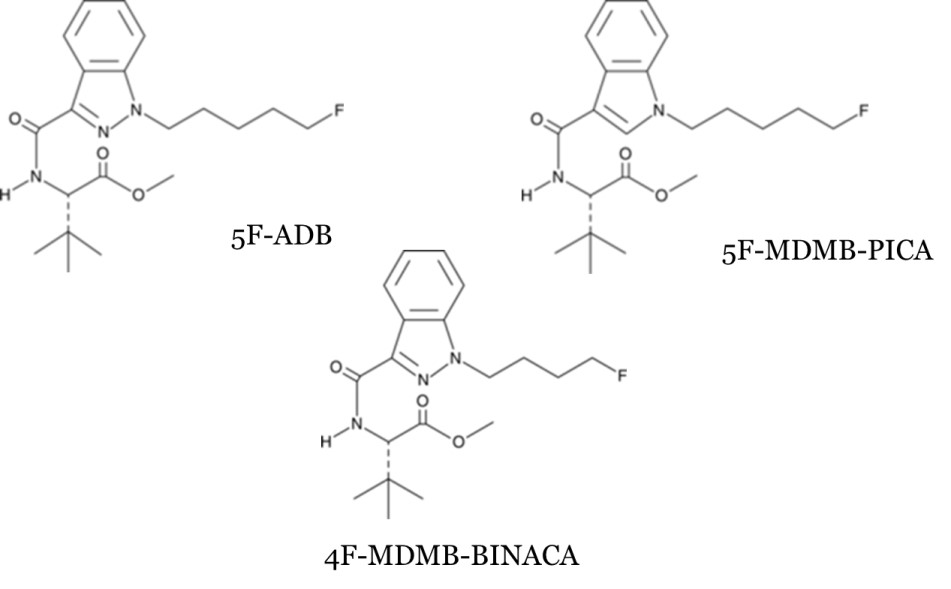
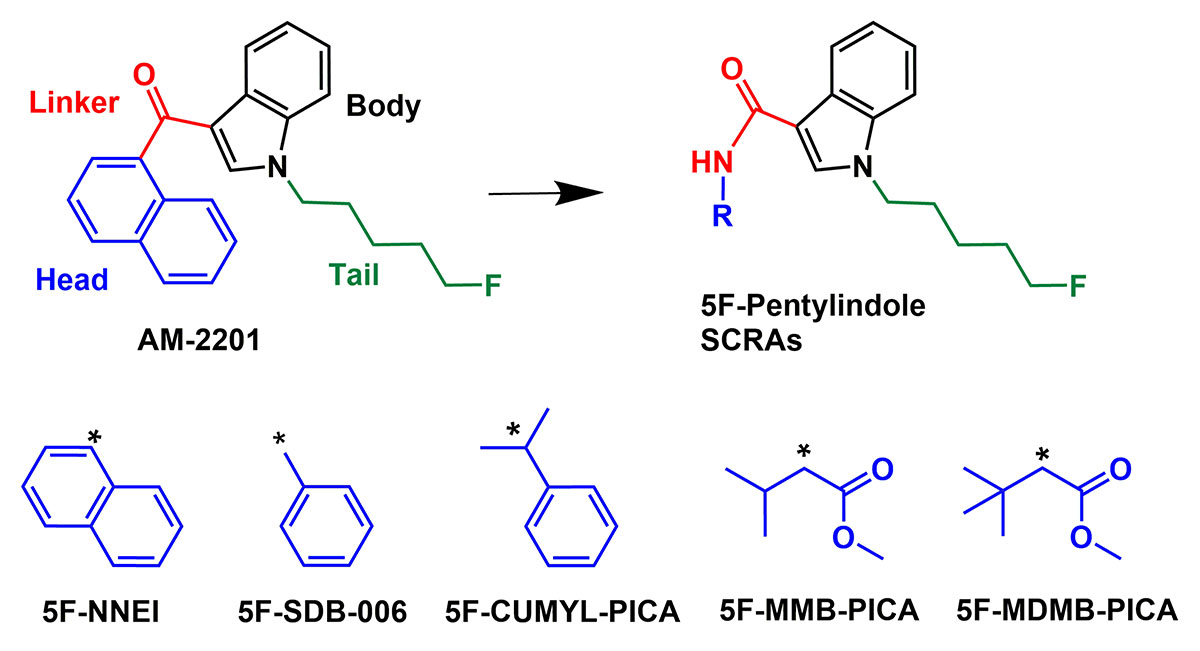
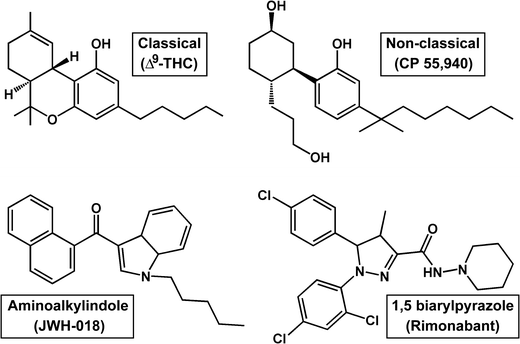
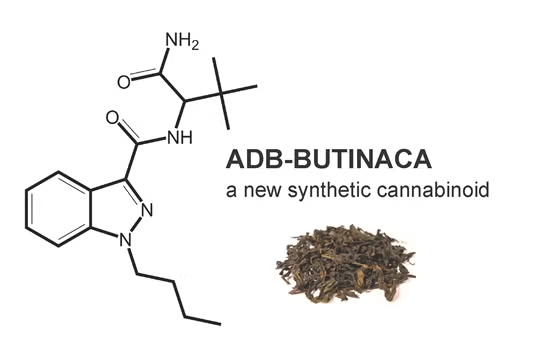
Synthetic cannabinoids are human-made chemical compounds that are designed to interact with the body’s endocannabinoid system—just like natural cannabinoids such as THC and CBD. These compounds can be created entirely in a lab (true synthetics), or they may be semi-synthetic, meaning they are derived from hemp-extracted CBD or THC and chemically modified to produce different effects or legal status.
Most popular cannabinoids in today’s hemp marketplace, including Delta-8, HHC, and THCP, fall into the semi-synthetic category. They are created through a process called isomerization, in which the molecular structure of CBD (derived from hemp) is rearranged to form new cannabinoids.
Key Examples of Synthetic Cannabinoids
Delta-8 THC
Delta-8 is one of the most well-known synthetic cannabinoids. It’s a structural isomer of Delta-9 THC (the main psychoactive compound in cannabis) but is generally considered milder in its effects. Delta-8 offers a relaxing high with less anxiety or paranoia, making it ideal for beginners or those seeking a more balanced experience.
Popular product: Delta-8 Gummies (10–25 mg per piece)
HHC (Hexahydrocannabinol)
HHC is a hydrogenated form of THC that occurs naturally in trace amounts in cannabis but is typically produced in the lab from hemp-derived cannabinoids. It offers a longer shelf life and produces effects similar to Delta-9, with a noticeable euphoric and energizing lift.
Popular product: HHC Vape Cartridges or HHC Pre-Rolls
THCP (Tetrahydrocannabiphorol)
THCP is a recently discovered cannabinoid with up to 30 times the binding affinity for CB1 receptors compared to Delta-9 THC. This makes it extremely potent—even small doses (1–2 mg) can produce significant psychoactive effects.
Popular product: THCP Tinctures or THCP Softgels
How Are Synthetic Cannabinoids Made ?
Most synthetic cannabinoids on the market today start with hemp-derived CBD isolate. Here’s a simplified overview of the process:
- Step 1: Extract CBD from industrial hemp (using CO2 or ethanol extraction)
- Step 2: Convert CBD into a new cannabinoid using chemical catalysts (e.g., for Delta-8 or HHC)
- Step 3: Purify the result and remove residual solvents
- Step 4: Test the final compound for potency, purity, and contaminants (lab COA)
- Step 5: Formulate the final product (edibles, vapes, tinctures, etc.
Note: Only reputable labs with cGMP (Good Manufacturing Practices) certifications should handle this process to ensure product safety.
Are Synthetic Cannabinoids Safe?
Synthetic cannabinoids can be safe—if they are produced responsibly. The biggest risks stem from poorly made or untested products. Always look for:
- A QR code linking to a third-party Certificate of Analysis (COA)
- Lab tests showing no residual solvents, pesticides, or heavy metals
- Transparent labeling with dosage and ingredients
It’s best to start with low doses and monitor your response, especially when trying new compounds like THCP or HHC.
How Are They Different From Natural Cannabinoids?
Synthetic cannabinoids can be safe—if they are produced responsibly. The biggest risks stem from poorly made or untested products. Always look for:
- A QR code linking to a third-party Certificate of Analysis (COA)
- Lab tests showing no residual solvents, pesticides, or heavy metals
- Transparent labeling with dosage and ingredients
It’s best to start with low doses and monitor your response, especially when trying new compounds like THCP or HHC.
| Feature | Natural Cannabinoids | Synthetic Cannabinoids |
|---|---|---|
| Source | Cannabis or hemp plant | Hemp + lab conversion |
| Production | Extraction only | Extraction + synthesis |
| Potency | THC: baseline standard | Often stronger (THCP) |